

Some States Are Trying Out “Ante-Mortem Probate”
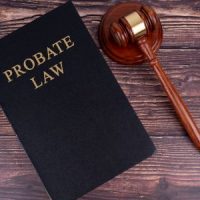
One of the biggest issues during the probate process in most states is that the process does not begin until after the testator (the person whose will is being probated) has passed away. If there is confusion or if any disputes arise, the person with the information required to deal with it all cannot be there, as a matter of law. Some U.S. states, although not Florida as of this writing, are trying out a new approach to the probate process to see if it cuts down on the number of will contests and long, drawn-out probate estates.
Will Contests May Not Be Worth It
The normal probate process starts after a person has passed away, when their will is submitted to the appropriate court. The decedent’s personal representative will pay any debts outstanding from the residue of the estate, and if there is anything left over, the decedent’s heirs will receive it according to the deceased person’s wishes. This process can last from mere weeks to years, depending on the details of the estate. However, sometimes a beneficiary will contest or challenge the will.
A will contest is usually brought by one or more beneficiaries alleging either fraud, undue influence, or a lack of capacity (that is, the testator was allegedly not in their right mind when making or executing the will). Sometimes, the challenger is successful, but very often, the probate process simply degenerates into arguments. Even if the challenger has a genuine case to change the will, it can be a time-consuming and emotional affair, relying almost exclusively on hearsay to attempt to establish the testator’s original intentions.
A New Approach
While Florida currently makes do with the current system of probate and will contests, some U.S. states are trying a different approach. As of 2024, nine U.S. states allow ‘ante-mortem’ probate to take place, which, at least in theory, completely eliminates the hearsay component of most will contests and post-mortem wrangling. However, ante-mortem probate would still carry some negatives, not least of all having to reveal the contents of one’s will before their passing and risking alienation from one or more family members.
In terms of procedure, ante-mortem probate works in the states which allow it on the same model as a declaratory judgment: namely, the capacity of the testator and validity of the will are presumed to be valid unless someone emerges to contest one or both. Heirs are notified of the will’s filing, and can choose to act or not. (There are more state-specific steps as well, but they vary widely between the nine states which permit this process.)
Contact A Hollywood, FL Probate Attorney
It remains to be seen if Florida will ever adopt the ante-mortem process, but there are good arguments both for and against. If you have questions or concerns about Florida’s current probate process, a Hollywood, FL probate attorney from The Law Offices of Steven A. Mason, P.A. will work hard to get them taken care of for you. Call our office today to speak to an attorney.
Source:
leg.state.fl.us/Statutes/index.cfm?App_mode=Display_Statute&Search_String=&URL=0700-0799/0732/Sections/0732.518.html